
Physio Back to School Tips for Growing Bodies
As children return to school, routines change quickly. New timetables, heavier school bags, more time sitting, and a return to sport all place different demands on growing bodies. For many school aged kids, this transition is when aches, niggles, or injuries start to appear, due to this rapid increase in daily load. A little planning from proactive parents early, may reduce the risk of problems later in the term or later in the year.
School bags and posture
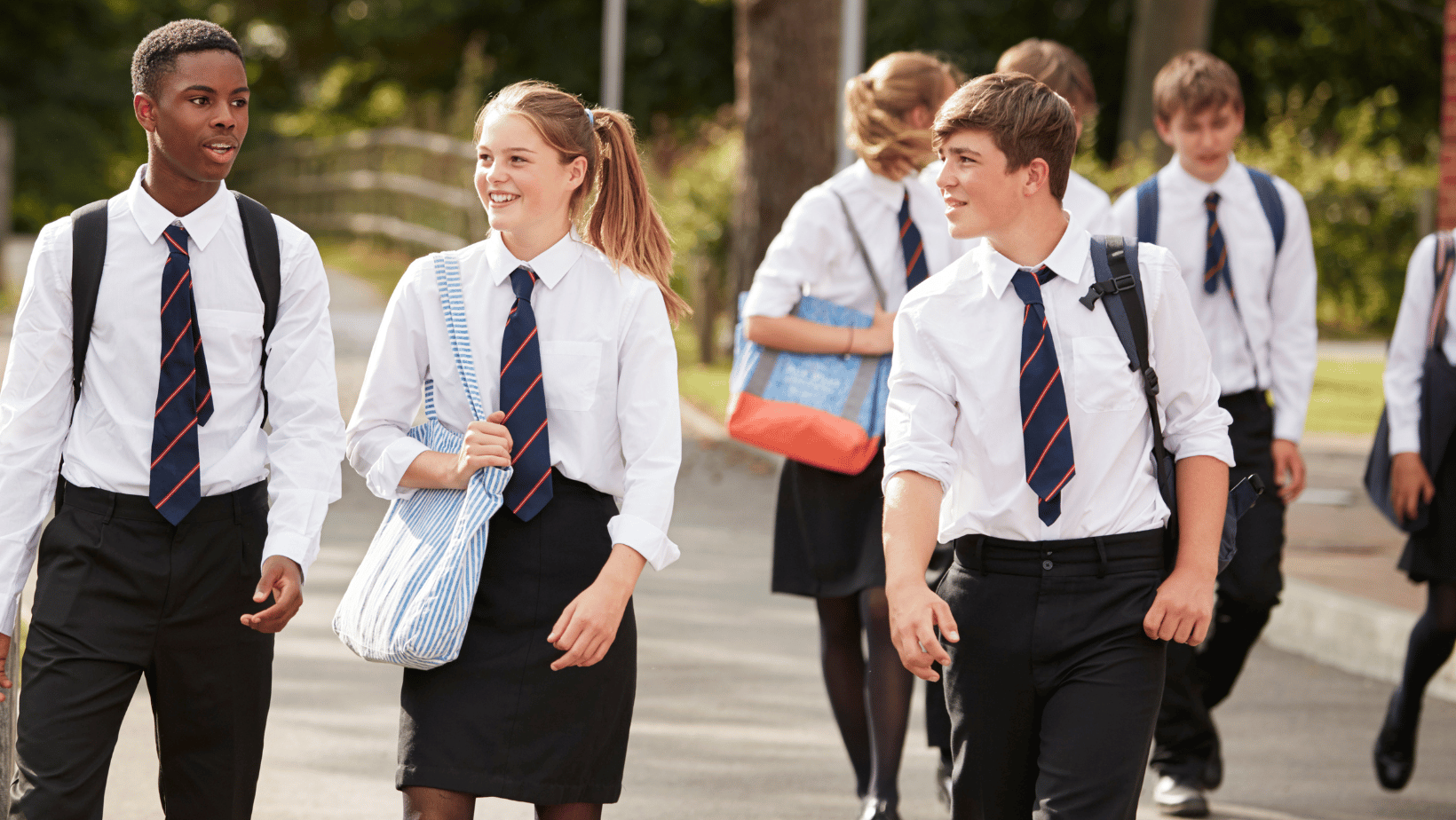
One of the most common issues we see early in the school year relates to school bags. A bag that is too heavy or worn incorrectly may contribute to neck, shoulder, or lower back discomfort.
Practical tips include:
- Keep the bag weight to around 10 percent of your child’s body weight where possible
- Use both shoulder straps and adjust them so the bag sits close to the back
- Encourage children to pack only what is needed for the day
- Consider lockers or leaving books at school if available
If your child regularly complains of pain after school, the bag setup is often a good place to start.
Sitting, screens, and movement
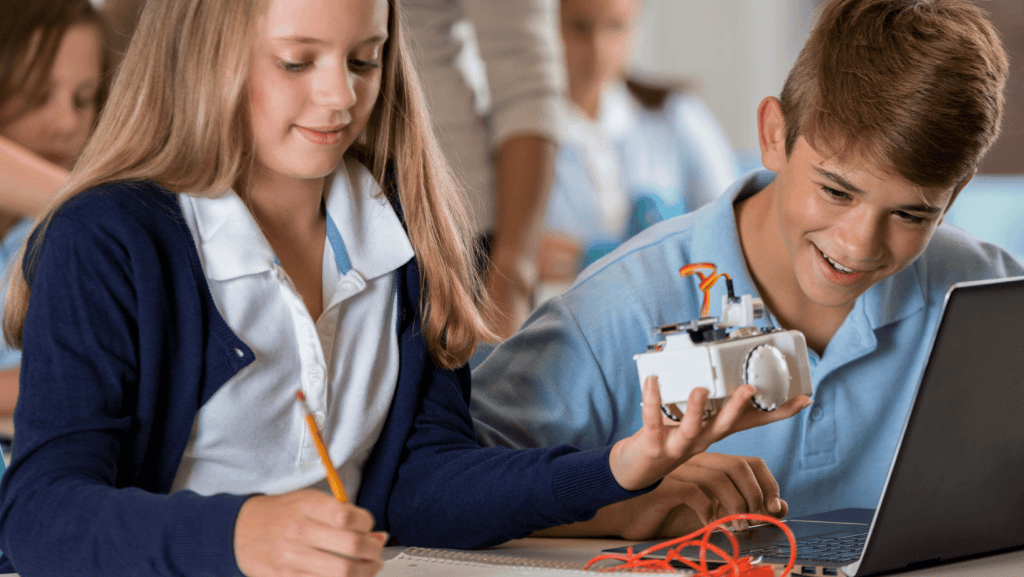
The school day involves long periods of sitting (sometimes laptop use), often followed by homework and screen time at home. Reduced movement may lead to stiffness through the spine, hips, and shoulders.
Helpful habits include:
- Short movement breaks after school before homework begins
- Changing sitting positions rather than staying stuck in one spot
- Limiting prolonged device use without breaks
- Encouraging active play, even if it is brief
- Look at ergonomic set up options for home
These small changes often support better movement and comfort across the week.
Returning to sport and activity
Many children return to sport at the same time as school resumes. Training loads may increase quickly, especially if they have been less active over the holidays.
To reduce injury risk:
- Build training volume gradually over the first few weeks
- Prioritise good warm-ups and cool-downs
- Ensure adequate sleep and recovery between sessions
- Watch for early signs such as persistent soreness, limping, or reduced performance
Pain that lasts more than a few days or affects normal activity may be worth checking early rather than pushing through.
Growing pains versus injury
It can be difficult to tell the difference between normal growth-related discomfort and an injury. Pain that is mild, comes and goes, and settles with rest is often less concerning. Pain that is localised, worsening, or affecting sleep, sport, or school concentration may benefit from assessment.
When to seek advice
Early guidance may help prevent small issues becoming bigger ones. If your child is struggling with pain, movement, or confidence to participate in sport or school activities, a physiotherapy assessment may provide clarity and a simple plan moving forward.
Supporting kids early helps them stay active, confident, and focused as the school year progresses.