
Finals or Finished? Either Way, Your Body Needs a Game Plan
Whether you’re preparing for finals or finishing your season, sports injury management can make a big difference to your recovery.
Right now, our local sporting community is split into two groups.
Some of you are preparing for finals, running on adrenaline, strapping tape and determination while managing an achy ankle, cranky knee or niggling shoulder.
For others, the final siren has sounded. The pressure is off and the ache you have been ignoring for the past eight weeks suddenly feels much more noticeable.
Whichever group you fall into, what you do over the next few weeks matters.
Still playing? Manage the niggle, do not simply mask it
If you are preparing for finals, the goal is not to become dramatically fitter in the space of a week. It is to preserve the fitness and strength you have built while arriving at game day feeling fresh enough to perform.
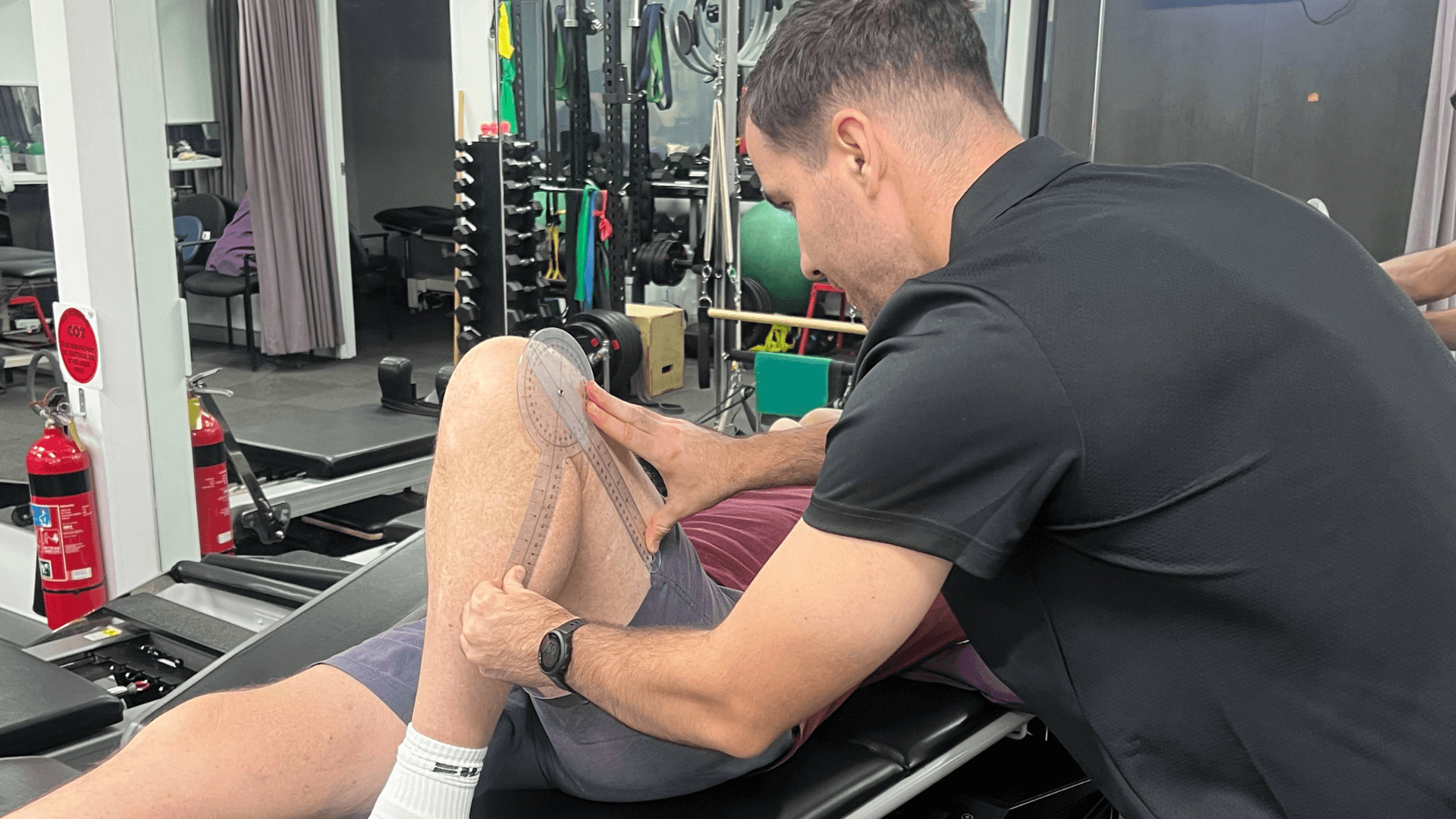
Start by paying attention to how your injury responds.
If the discomfort settles as you warm up, does not affect your movement and returns to its usual level within 24 hours, it may be manageable with some sensible adjustments.
If the pain is becoming sharper, causing swelling, reducing your speed or strength, changing the way you run, or worsening after every session, it is time to have it assessed.
During finals, consider:
- Reducing training volume while retaining some short, game-speed efforts
- Maintaining strength without attempting heavy personal bests
- Completing a thorough warm-up before training and games
- Prioritising sleep, hydration and adequate nutrition
- Modifying aggravating drills rather than avoiding all activity
- Using taping or bracing when it is appropriate for your injury
- Testing sprinting, jumping, tackling or changing direction before game day
Massage, stretching, tape and pain relief may help manage symptoms, but feeling temporarily better does not necessarily mean you are ready for every demand of competition.
A good finals “Injury Management Game Plan” should tell you what you can continue, what needs to change and which warning signs mean playing is no longer a sensible risk. Be smart, and if you are a bit unsure of how hard you can or should push, feel free to reach out to our physio team and we can give you some guidance.
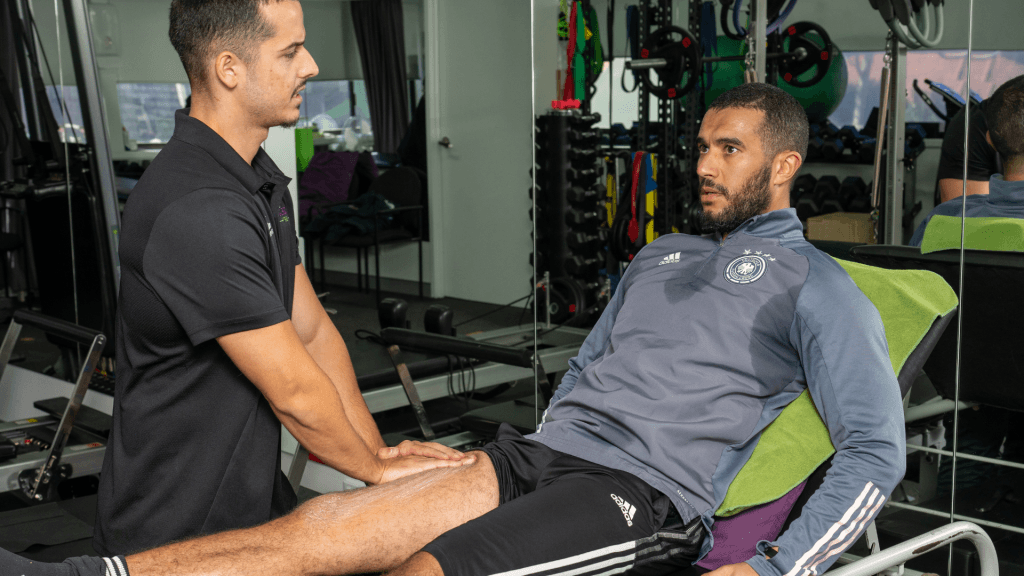
Season finished? Rest is only the beginning
Once the season ends, it is tempting to take a month off and assume the injury has healed when the pain disappears.
The problem is that rest may settle irritation without restoring the movement, strength, control or physical capacity that was lost as a result of the injury or issue. When pre-season begins and training suddenly increases, the same problem may return. Unfortunately, we hear this tale all too often.
Give yourself some time to recover physically and mentally, but do not let a few pain-free weeks create false confidence.
The off-season is an ideal opportunity to:
- Have persistent injuries properly assessed
- Restore any lost joint movement
- Rebuild strength and side-to-side symmetry
- Improve balance, control and landing ability
- Safely reintroduce running, jumping, kicking or throwing
- Build enough capacity to tolerate individual conditioning and then pre-season training
The aim is not simply to feel pain-free while resting. It is to make sure your body can tolerate the demands of your sport when the intensity increases again.
Whether you are chasing a premiership or putting the boots away, ignoring a niggle usually postpones the decision rather than solving the problem.
At Total Body Physio, we can assess the injury, explain what is happening and develop a practical plan that fits around your sport, your goals and where you are in the season.
Play smart now, then use the off-season to come back stronger.
If you’re frustrated by ongoing pain despite a normal scan, don’t assume you simply have to live with it. Our team can help identify what’s driving your symptoms and develop a clear plan to get you back to doing the things you enjoy.
If you or someone you know is suffering from an injury, a niggle or persistent pain that just isn’t improving, we’d love to help. Give us a call on (02) 9713 2455 or click below to Book Online.