
Benefits of a Pre-Season Pre-Screening for Injury Prevention
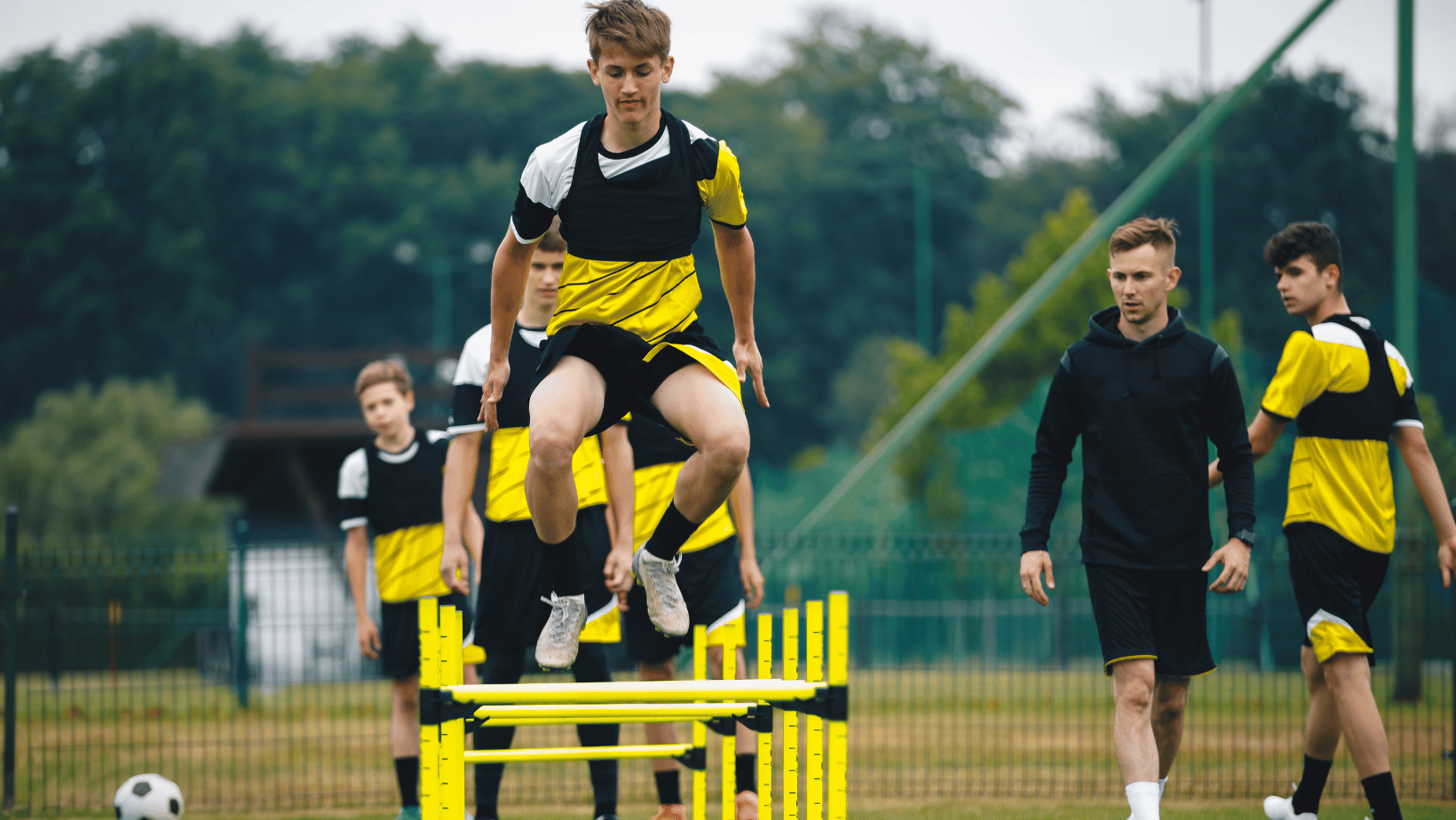
Pre-season is one of the few times in the year where athletes and active individuals have a genuine opportunity to get ahead of injury risk. Training loads often rise quickly, intensity increases, and competition returns before the body has fully adapted. The same pattern appears in people starting or returning to the gym, where strength demands may increase faster than tissue capacity. This is why a structured injury prevention screening has value. In simple terms, preseason is when you buy time later. If you assess and address weaknesses or movement limitations early, you reduce the likelihood of problems during the season and support ongoing performance.
With winter and field sports approaching, including rugby union, rugby league, AFL, netball, hockey, and soccer, this window becomes particularly important. The aim is not to train less. The aim is not to train less, but to identify gaps early so training can continue with fewer interruptions and greater confidence.
What a Pre-Season Screening Does
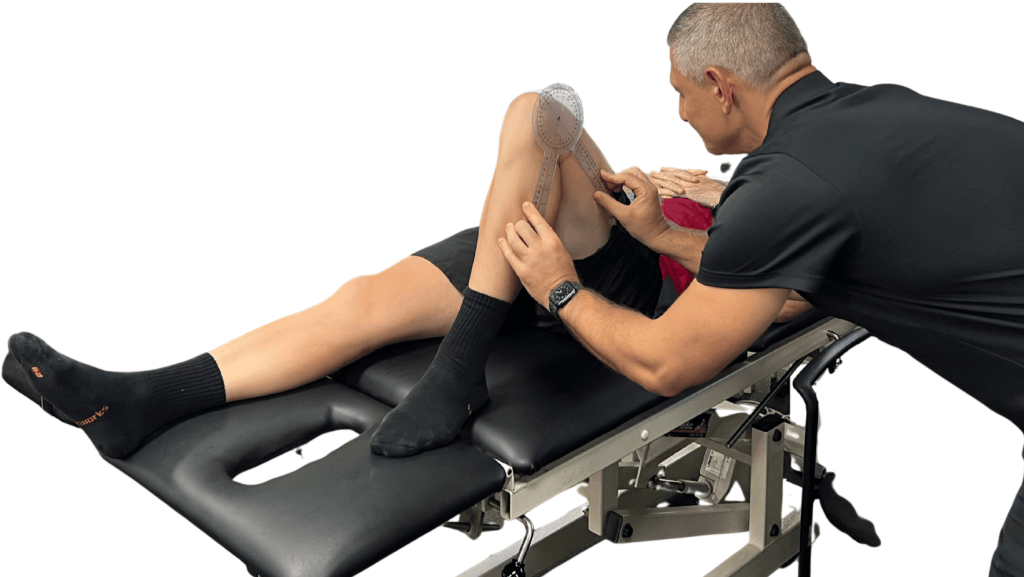
A well-structured screening assesses strength, range of motion, movement quality, balance, and control in both the upper and lower limbs. It identifies risk factors that might predispose someone to common injuries. For example, limited hip strength or shoulder stability may not be causing pain today, but these deficits could increase loading stress once training volume rises. Screening also provides baseline data. This allows clinicians and athletes to track improvements or emerging issues across the season.
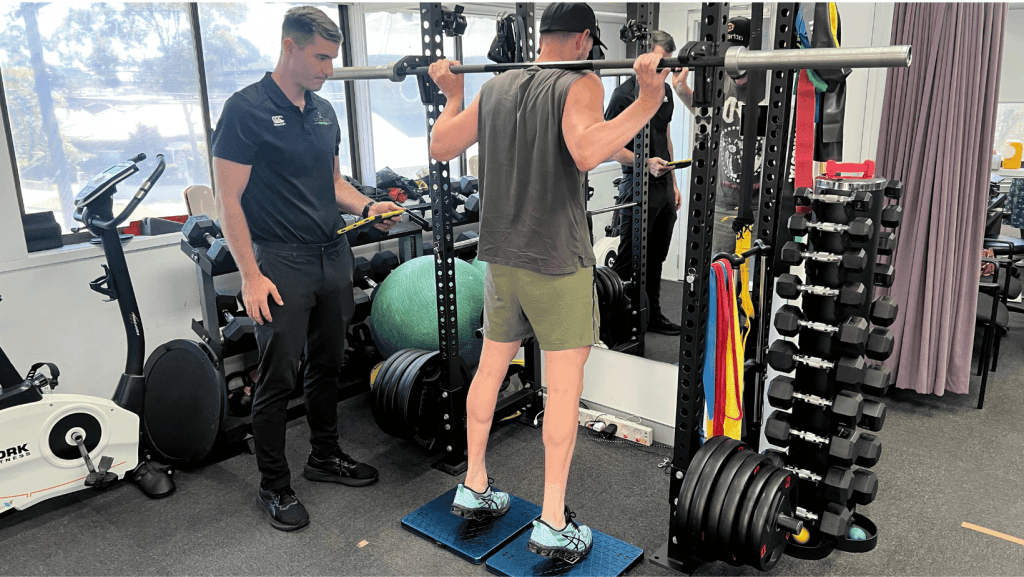
At our clinic we use targeted tools like the AxIT strength testing equipment to quantify strength and power in key muscle groups around the shoulder, hip, and knee. Objective data helps guide decisions about targeted strength work and load management. Results from testing can also help coaches and practitioners prioritise interventions that reduce risk, such as progressive strength programs, core work or neuromuscular training.
What a Pre-Season Screening Does Not Do
A pre-season screening does not replace clinical diagnosis. Screening is not designed to find every injury or to diagnose current pathology. If someone has pain, a separate clinical assessment is needed to determine cause and appropriate management as further indepth assessment is required. Unfortunately a screening does not guarantee that injury will be avoided but by identifying modifiable factors and suggesting appropriate interventions it can reduce risk, just not eliminate it.
Common Gaps Seen on Assessment Before the Season Starts
Across team sports, court sports, and gym-based training, several patterns appear repeatedly:
Calf capacity
Insufficient calf strength and endurance for repeated running, jumping, and acceleration may contribute to calf strains, Achilles irritation, and foot overload once intensity rises.
Hip and pelvic control
Reduced single-leg stability may increase load through the knee, groin, and lower back, particularly in sports involving running, cutting or rapid change of direction.
Trunk endurance
This is not just core strength. Sustained control over time becomes important late in sessions or games when fatigue alters technique.
Upper limb strength and control
Shoulder and upper limb capacity matter in contact sports, overhead sports, and gym training. Asymmetry or weakness may increase stress through the shoulder, elbow, and neck during tackling, throwing, lifting, or pressing-based gym training
Why Pre-Season Matters
Completing screening before structured training begins gives athletes and trainers time to apply corrective strategies. It creates a structured plan to strengthen weaker areas and improve movement patterns, which may reduce injury risk once training load increases.
When to Book a Screening Assessment
Pre-season screening suits individuals returning from a niggle, starting a new sport, increasing training load, or beginning a gym program after time away. The goal is consistency and preparedness. Addressing modifiable risk factors early often leads to fewer interruptions and steadier progress across the season.
If you or someone you care for has an injury, a flare up, requires some rehabilitation or experiences an increase in pain, give the clinic a call on 9713 2455 or book online.